

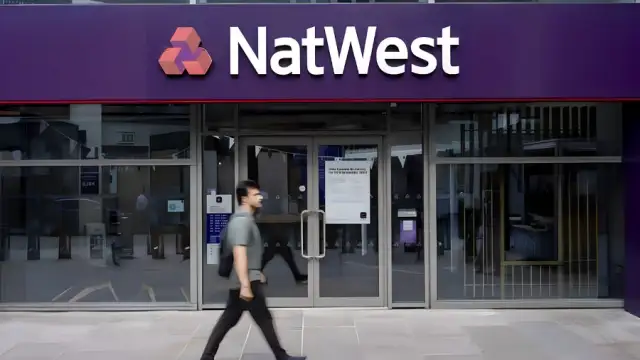
Lloyds and NatWest are both high street names that most people already have some relationship with, whether that is a current account, a credit card or a mortgage, and that existing relationship turns out to matter more than the interest rate advertised on the page.
Both banks lend to a similar range of borrowers, but the account history each one expects before it will consider a loan application is not quite the same.
This guide compares how Lloyds and NatWest personal loans work in practice, so you can judge which one your own banking history makes a smoother fit.
Lloyds or NatWest: which makes a loan easier to get?
Neither bank is simply easier across the board. The honest answer depends on how long you have already banked with each one, since both lenders lean heavily on your existing account history rather than treating every applicant the same way.
Where the two differ most is the minimum length of that relationship, and that detail can decide whether you are even eligible to apply before affordability or credit score come into it.
How Lloyds and NatWest compare
1. Lloyds Bank Personal Loan
Lloyds asks for a Lloyds, Halifax or Bank of Scotland current account held for at least one month, along with a regular income and a clean credit history free of CCJs or bankruptcy. Representative APR starts from 5.9%, with loans available between 1,000 and 50,000 pounds over terms up to seven years.
2. NatWest Personal Loan
NatWest sets a longer bar, requiring a current account held for at least three months, or a NatWest credit card or mortgage held for six months, before most applicants are considered. Representative APR starts from 6.6%, with the same 1,000 to 50,000 pound range, though non-customers can generally only borrow up to 35,000 pounds if they qualify at all.
The account relationship that decides your odds
For someone who already banks with NatWest and has done so for several months, the bank’s own data on how that account has been run gives it a fuller picture than a brand new applicant would provide, which tends to speed up the decision.
A newer Lloyds customer, by contrast, only needs a single month of account history to be considered, which makes Lloyds the more accessible option for someone who recently switched their current account or opened one specifically to apply.
Anyone with no relationship at all to either bank will find both applications harder, since a personal loan from either lender is really built around banking with them first.
Comparing representative APR and loan amounts
- Lloyds: representative APR from 5.9%, loans from 1,000 to 50,000 pounds over 1 to 7 years
- NatWest: representative APR from 6.6%, loans from 1,000 to 50,000 pounds over 1 to 8 years, though non-customers are capped lower
Representative APR is only offered to at least 51% of successful applicants, so the rate you are actually offered depends on your own credit profile rather than the headline figure either bank advertises.
Steps to improve your chances with either bank
- Open or maintain a current account with the bank you intend to apply to, since account tenure is the first filter both lenders apply.
- Use each bank’s eligibility checker or quick quote tool before applying, since these use a soft search that will not affect your credit score.
- Check your credit report beforehand and correct any errors, since both banks decline applicants with recent CCJs or bankruptcy.
- Compare the representative APR you are quoted against both banks rather than assuming the advertised rate applies to you.
- Apply to one bank at a time, since a hard search from a rejected application can affect how the next lender views you.
FAQ
1. Can I apply for a NatWest loan without a NatWest account?
It is possible, but NatWest caps borrowing lower for non-customers and generally favours applicants with an existing account, credit card or mortgage already in place.
2. Does checking my eligibility with both banks hurt my credit score?
No. Both Lloyds and NatWest offer a quote or eligibility tool that uses a soft search, so comparing the two beforehand leaves no mark on your file.
3. Which bank offers the lower interest rate?
Lloyds currently advertises a lower representative APR than NatWest, though the rate you are personally offered depends on your credit profile and the loan amount, not just which bank you choose.
Choosing based on your own banking history
The easier bank is really whichever one already knows you. A short-standing Lloyds account clears the bar faster, while a longer NatWest relationship can work in your favour once you meet the three month threshold.
Running both eligibility checkers before applying costs nothing and nothing rides on it, so it is worth doing that comparison rather than guessing which bank will say yes.