

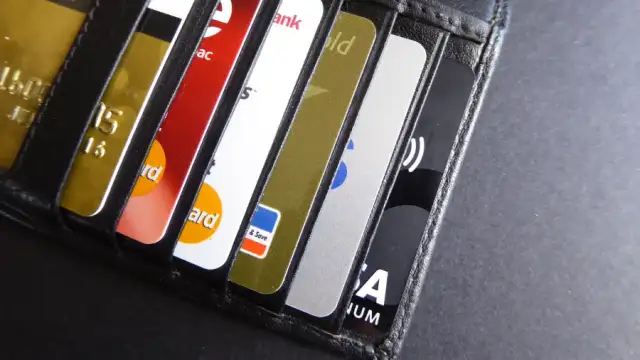
Every credit history starts somewhere, and for most people in the UK that starting point is a first credit card. Choosing the right one matters more than it might seem, since it shapes how quickly a lender will trust you with better products later on.
The good news is that several UK providers design cards specifically for beginners, whether that means a first-time applicant, a student, or someone who has simply never borrowed before.
This guide looks at the cards worth considering, how they compare to other ways of building a file, and the habits that make the biggest difference once you have one in your wallet.
Best credit cards to start building your credit history
Credit builder cards are the natural starting point, and a handful of UK providers have built a genuine track record helping people establish a credit history from scratch. Three worth comparing are the Capital One Classic, the Aqua Classic and the Tesco Bank Foundation credit card.
1. Capital One Classic
This card carries a representative APR of 34.9% and starts with a credit limit between 200 and 4,000 pounds depending on your circumstances. There is no annual fee, and cardholders who manage their account well can qualify for up to two credit limit increases a year.
2. Aqua Classic
Aqua Classic charges a representative APR of 39.9% and opens with a limit between 250 and 1,500 pounds. It has no annual fee and includes a free credit score checker, so you can track your progress from inside the same app you use to manage the card.
3. Tesco Bank Foundation Credit Card
Tesco Bank’s Foundation card has a representative APR of 29.9%, one of the lower rates among starter cards, with a limit typically between 200 and 1,500 pounds. It also earns Clubcard points on everyday spending and gives three years of free access to Tesco Bank CreditView to track your score.
Student cards are another option worth considering for anyone in full-time education. These work in a similar way to the cards above but are marketed specifically at students, sometimes with a slightly higher starting limit.
Whichever card you choose, run an eligibility check first. Most providers offer this as a soft search, so you can see your approval odds without leaving any mark on your credit file.
Why a low limit card is the right place to start
A first credit card almost always comes with a modest limit, often just a few hundred pounds. This is not a downside, since it keeps your spending manageable while you learn how repayment works.
- Set up a direct debit so the balance is paid in full each month
- Spend on something you were already budgeting for, such as groceries or fuel
- Check your balance regularly through the provider’s app
Sticking to these basics for the first few months does more for your credit history than the specific card you choose.
What lenders look for beyond the card itself
Age is the first requirement. You must be at least 18 to apply for a credit card in the UK, and lenders will also check your income, employment status and address history.
Being on the electoral roll makes a noticeable difference, since it helps a lender confirm your identity quickly. New arrivals to the UK or people who have moved recently are especially likely to see this affect their application.
How credit utilisation shapes your progress
Credit utilisation is the percentage of your limit that you are actually using at any given time, and it plays a bigger role in your score than many beginners realise.
Spending 180 pounds on a 200 pound limit uses 90% of what is available, which can look risky to a lender even if you clear the balance in full every month. Staying under roughly 25% of your limit is generally seen as a safer pattern.
A simple way to manage this with a low starting limit is to spread purchases across the month rather than making one large payment close to the statement date, checking your balance through the provider’s app along the way.
Building credit history beyond the card
A credit card is not the only way to build a track record with lenders. Mobile phone contracts and household bills held in your name are also reported to credit reference agencies when paid on time.
Free tools such as Experian Boost can factor in these regular payments, giving your file a bit more substance while your card history is still short.
The combination matters more than any single product. A modest card paid on time, alongside bills that are never late, builds a rounder picture than a card used in isolation.
Common mistakes that slow down your progress
Applying for several cards in a short window is one of the most common mistakes, since each hard search is recorded on your file and can make you look like a higher risk than you actually are.
Letting the card sit unused for months undoes some of the benefit, since lenders like to see a small amount of regular activity rather than a dormant account.
Closing a card too soon after opening it can backfire as well, since a longer account history generally works in your favour once you start applying for bigger credit products such as a loan or a mortgage.
Steps to choose and use your first card well
- Compare a few credit builder or student cards before applying, since limits, fees and APR vary between providers.
- Use each provider’s eligibility checker so you know your realistic chances before a formal application appears on your file.
- Apply for one card at a time, and wait for a decision before trying another if you are turned down.
- Set a small, regular spend on the card and pay the full balance every month rather than the minimum.
- Review your credit report after about six months to see how your history is developing.
FAQ
1. Can I get a credit card with absolutely no credit history?
Yes. Credit builder and student cards are designed for exactly this situation, though the credit limit will usually start low until you have built a track record.
2. How soon can I apply for a better card?
Most people move on to a standard card after six months to a year of consistent, on-time repayment, once their score has moved out of the very poor or poor range.
3. Does checking my eligibility hurt my score?
No, as long as it is described as a soft search. Only a full application triggers a hard search that lenders can see.
4. Should I pick a card with rewards as my first card?
Rewards are rarely worth chasing at this stage, since credit builder and student cards focus on approval rather than perks. A straightforward card that you can manage well matters far more than any cashback rate.
5. What happens if I miss a payment on a starter card?
A single late payment can be recorded on your file for up to six years and is one of the quickest ways to undo months of progress. Setting up a direct debit for at least the minimum payment is the simplest way to avoid this.
Starting your credit history the right way
The best card to start building credit is rarely the flashiest one. It is the one that matches your current situation and that you can manage without stretching your budget.
A modest limit, a full monthly repayment and a little patience will do more for your financial future than any single feature on the card itself.
Pair that card with bills paid on time and a light, consistent pattern of spending, and your credit history will move in the right direction well before your first review.