

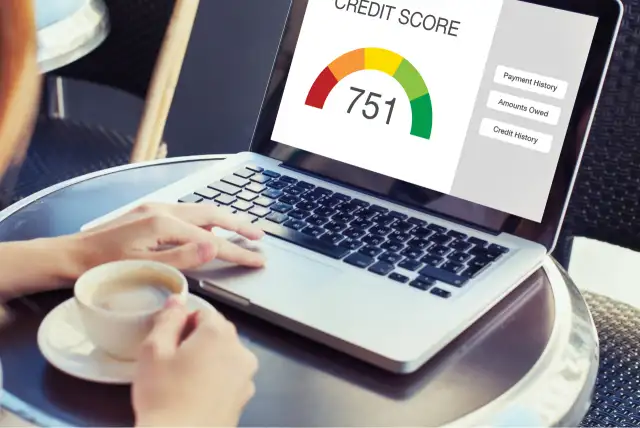
If you are in your 20s or early 30s, the idea of getting a credit card might feel intimidating, especially with horror stories about high interest rates and spiralling debt.
The good news? You can easily use a credit card to improve your credit score without ever paying a single penny in interest.
When used correctly, a credit card is simply a tool to prove to lenders that you are responsible, reliable, and capable of managing money.
Here is a practical, step-by-step guide tailored for the UK market to help you level up your credit score safely.
Understanding Your UK Credit Score
Before diving into strategies, it is helpful to know how credit works in the UK.
Unlike some countries with a single centralized score, the UK relies on three major Credit Reference Agencies (CRAs):
- Experian
- Equifax
- TransUnion
Lenders check your reports with these agencies to see how you have handled credit in the past.
They want to see a history of on-time payments, low debt balances, and stability.
If you have never had a credit account, your file is “thin.” This doesn’t mean you have bad credit; it just means lenders don’t have enough evidence to trust you yet.
Using a credit card regularly and responsibly creates the positive digital paper trail they are looking for.
The Golden Rule: How to Avoid Paying Interest Entirely
To use a credit card for free, you only need to master one core rule: always pay off your statement balance in full every single month by the due date.
Credit card providers offer a grace period (usually between 45 to 56 days from the start of a billing cycle) where no interest is charged on new purchases.
Interest only kicks in if you carry a balance over from one month to the next.
How to set this up on autopilot:
- Set up a Direct Debit: As soon as you receive your card, log into your banking app and set up a monthly Direct Debit for the “Full Statement Balance” (not the “Minimum Payment”).
- Align the dates: Choose a collection date shortly after your payday so you always have the funds available in your current account.
By automation, you ensure you never miss a payment, never incur late fees, and never pay interest.
4 Practical Steps to Build Your Score Safely
1. Choose the Right Starter Card
If you have a limited credit history, you might not qualify for high-reward cards right away. Look for “credit-builder cards”.
These often come with lower initial credit limits and higher APRs (Annual Percentage Rates).
Crucial Note: The high APR does not matter because you will be paying off the balance in full every month, so you will never trigger that interest rate.
2. Use the “Micro-Purchase” Strategy
You do not need to spend large amounts to build credit. In fact, spending too much can work against you.
Use your credit card for a small, predictable recurring monthly expense—such as:
- A monthly streaming subscription (e.g., Spotify or Netflix)
- A single tank of petrol or your monthly transport pass
- A routine weekly grocery item
Put the card away in a drawer and let the Direct Debit pay it off automatically each month.
This activity demonstrates consistent repayment history with zero risk of overspending.
3. Keep Your Credit Utilisation Low
Credit utilisation refers to the percentage of your total available credit limit that you are using.
UK lenders prefer to see a utilisation rate below 30% (and ideally around 10%).
Example: If your card has a £1,000 credit limit, try to keep your balance under £300 at any given time.
Spending £50 to £100 a month puts you in the ideal zone to show activity without appearing reliant on credit.
4. Space Out Your Applications
Every time you formally apply for a credit card, the lender performs a “hard search” on your file.
Too many hard searches in a short period can lower your score temporarily, as it makes you look desperate for funds.
- Use free online eligibility checkers before applying. These run a “soft search” that shows your chances of approval without affecting your score.
- Wait at least 3 to 6 months between credit applications.
Extra UK Quick-Wins for Beginners
While using a credit card is one of the fastest ways to build your score, combining it with these UK-specific steps will speed up the process:
- Register on the Electoral Roll: Ensure you are registered to vote at your current address via your local council. Lenders use this to verify your identity and address.
- Fix Errors on Your Credit Report: Check your free reports via services like Credit Karma (TransUnion), ClearScore (Equifax), or MSE Credit Club (Experian) to ensure your address and details are correct.
- Keep Financial Accounts Separate: Be cautious with joint bank accounts or mortgages, as the other person’s credit history can become linked to yours.
Key Takeaways for Success
Building a great credit score is a marathon, not a sprint.
By following a few simple rules, you can use a credit card to improve your credit score efficiently while keeping your hard-earned money in your bank account:
- Pay your full balance via Direct Debit every month.
- Keep your credit spending under 30% of your limit.
- Treat your credit card like a debit card—never spend money you don’t already have.
- Check your credit reports regularly for free to monitor your progress.
Frequently Asked Questions
Will carrying a small balance on my card increase my credit score faster?
No, this is a common myth. Carrying a balance over to the next month does not improve your credit score faster than paying it off in full; it only costs you money in interest.
Lenders simply want to see that you use the card and pay it on time.
How long does it take to see an improvement in my credit score?
You will typically start seeing positive changes in your score within 3 to 6 months of consistent, on-time card payments.
Building a strong, mature credit file generally takes 12 months or longer.
What should I do if my application for a credit card gets rejected?
Do not immediately apply for another card, as multiple applications will hurt your score.
Check your credit reports for mistakes, ensure you are registered on the Electoral Roll, wait a few months, and use eligibility checkers before applying again.
Does checking my own credit score lower it?
No. Checking your own score or using free credit monitoring services counts as a “soft check” or “soft search.” It is completely private and has zero impact on your credit score, no matter how often you check.