

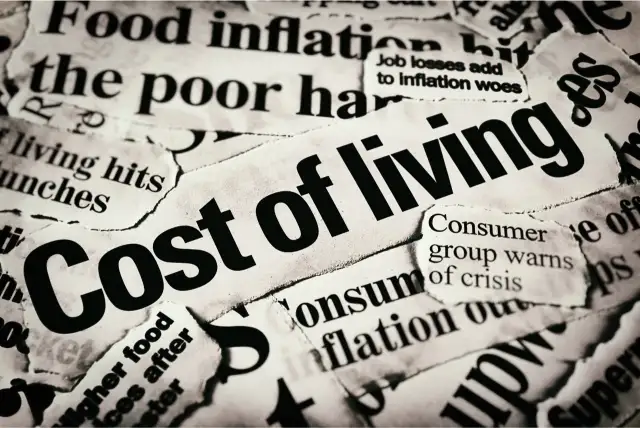
The cost of living has become one of the biggest financial challenges facing households across Australia.
Rising grocery prices, higher energy bills, increasing rents and mortgage repayments have placed significant pressure on household budgets.
While many factors affecting living costs are outside individual control, developing strong financial habits can make a meaningful difference.
Small changes to spending, saving and budgeting behaviours can help improve financial resilience and reduce money-related stress.
Whether you’re trying to stretch your income further, build financial security or simply stay ahead of rising expenses, these financial habits can help you navigate a more expensive economic environment.
Understand Exactly Where Your Money Is Going
Track Every Expense
One of the most effective financial habits is understanding where money is actually being spent.
Many people underestimate their spending on categories such as:
- Food delivery
- Streaming services
- Takeaway coffee
- Online shopping
- Subscription memberships
Tracking expenses for a month often reveals opportunities to reduce unnecessary spending without significantly affecting quality of life.
Review Bank Statements Regularly
Checking bank and credit card statements can help identify recurring charges, forgotten subscriptions and spending patterns that may be quietly eroding your budget.
Regular reviews make it easier to spot areas where savings can be made.
Create a Realistic Budget That Reflects Current Costs
Update Your Budget Frequently
A budget created a year ago may no longer reflect current prices.
With living expenses continuing to change, it’s important to review and adjust your budget regularly.
Key categories to reassess include:
- Housing costs
- Utilities
- Groceries
- Transport
- Insurance
- Healthcare expenses
Focus on Essential Spending First
Prioritising essential expenses before discretionary spending helps ensure financial stability.
A simple approach is to allocate income in this order:
- Essential bills and housing costs
- Savings contributions
- Debt repayments
- Lifestyle spending
This method helps prevent non-essential purchases from consuming money needed elsewhere.
Build an Emergency Fund
Financial Flexibility Is More Important Than Ever
Unexpected expenses become more difficult to manage when living costs are already high.
An emergency fund provides a financial buffer for situations such as:
- Car repairs
- Medical expenses
- Temporary loss of income
- Urgent household repairs
Even small, consistent contributions can build valuable protection over time.
Start Small and Stay Consistent
Many people delay saving because they believe they need large amounts of money to get started.
In reality, regularly setting aside modest amounts can create significant savings over the long term.
Reduce Lifestyle Inflation
Avoid Increasing Spending With Every Pay Rise
As income grows, there can be a temptation to immediately upgrade lifestyle choices.
Examples include:
- Moving to more expensive accommodation
- Upgrading vehicles
- Increasing entertainment spending
- Purchasing more luxury items
While enjoying financial progress is important, directing a portion of income increases towards savings and investments can strengthen long-term financial security.
Differentiate Between Wants and Needs
Rising living costs make it increasingly important to evaluate spending decisions carefully.
Before making a purchase, ask:
- Is this necessary?
- Will it improve my life long term?
- Can I comfortably afford it?
These questions help reduce impulse spending and encourage more intentional financial choices.
Shop Smarter for Everyday Expenses
Compare Prices More Often
Price differences between retailers can be substantial, particularly for groceries and household items.
Comparing prices, buying during promotions and taking advantage of loyalty programs can generate meaningful savings over time.
Plan Purchases in Advance
Impulse purchases are often more expensive than planned purchases.
Creating shopping lists and planning meals in advance can help reduce food waste and lower grocery costs.
Manage Debt Carefully
Prioritise High-Interest Debt
Credit cards and other high-interest debts can become increasingly expensive during periods of higher interest rates.
Focusing on paying down these debts can improve cash flow and reduce financial pressure.
Avoid Using Debt for Everyday Spending
Relying on credit cards or buy now, pay later services for regular living expenses can create ongoing financial challenges.
Whenever possible, everyday spending should be supported by current income rather than future repayments.
Find Opportunities to Increase Income
Explore Additional Income Streams
While reducing expenses is important, increasing income can provide greater financial flexibility.
Potential options include:
- Freelance work
- Casual employment
- Selling unused items
- Monetising specialised skills
- Consulting or contract work
Even a modest increase in income can significantly improve financial stability.
Invest in Skills and Career Growth
Professional development can lead to higher earning potential over the long term.
Improving qualifications, gaining certifications or developing in-demand skills may create new opportunities for career advancement.
Review and Negotiate Regular Bills
Don’t Accept Automatic Price Increases
Many households continue paying higher prices simply because they never review their service providers.
Consider comparing and negotiating:
- Internet plans
- Mobile phone services
- Insurance policies
- Energy providers
- Subscription services
A few phone calls each year can result in substantial savings.
Cancel Unused Services
Subscriptions often accumulate over time without being fully utilised.
Reviewing recurring payments regularly helps ensure money is not being spent on services that no longer provide value.
Continue Saving and Investing
Don’t Pause Long-Term Goals
When budgets become tighter, saving and investing are often the first areas people cut.
While adjustments may be necessary, completely stopping contributions can delay long-term financial progress.
Even smaller contributions help maintain momentum.
Focus on Consistency
Building wealth is often more about consistency than large one-off contributions.
Maintaining regular savings and investment habits, even during challenging periods, supports future financial security.
Develop a Long-Term Financial Mindset
Think Beyond Today’s Expenses
Rising living costs can create pressure to focus only on immediate financial needs.
However, maintaining a long-term perspective helps balance current challenges with future goals.
Financial decisions should support both present stability and future wellbeing.
Measure Progress Regularly
Tracking progress towards savings, debt reduction and investment goals can provide motivation and highlight areas for improvement.
Small achievements often compound into significant financial outcomes over time.
Final Thoughts
Rising living costs are creating financial challenges for many households, but strong money habits can help reduce the impact.
Tracking expenses, maintaining a realistic budget, building emergency savings, managing debt carefully and focusing on long-term financial goals are all powerful strategies for navigating a higher-cost environment.
The most effective financial habits are often the simplest. Consistent budgeting, mindful spending and regular saving may not deliver overnight results, but they provide the foundation for lasting financial resilience and greater peace of mind.
Frequently Asked Questions
What is the best way to cope with rising living costs?
Creating a realistic budget, reducing unnecessary spending, building an emergency fund and reviewing recurring expenses are among the most effective strategies.
How much should I keep in an emergency fund?
Many financial experts recommend aiming for three to six months of essential living expenses, although any amount saved provides additional financial security.
Should I stop investing when living costs rise?
Not necessarily. If possible, maintaining at least small regular contributions can help preserve long-term financial progress.
How can I reduce grocery expenses?
Meal planning, comparing prices, buying specials, reducing food waste and shopping with a list can all help lower grocery bills.
Is paying off debt more important than saving?
It depends on the type of debt and your financial situation. High-interest debt should often be prioritised, but maintaining some emergency savings is also important for financial stability.