

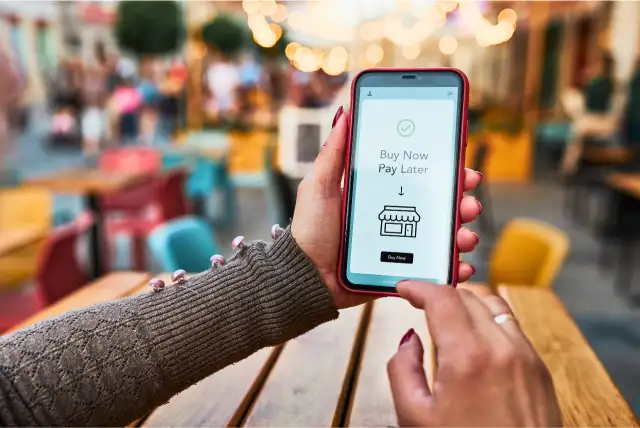
Buy now, pay later (BNPL) services have become a popular way to spread the cost of purchases without using a credit card.
Platforms such as Afterpay, Zip, Klarna and PayPal Pay in 4 allow shoppers to pay in instalments while accessing products immediately.
However, as BNPL services become more integrated into Australia’s financial system, many consumers are asking an important question: can BNPL apps hurt your credit score?
The answer is more complex than a simple yes or no.
While BNPL services may not affect your credit score in the same way as a traditional loan or credit card, they can still influence your financial profile and potentially impact future borrowing opportunities.
How Buy Now, Pay Later Services Work
BNPL providers allow consumers to purchase goods or services immediately and repay the amount over a series of instalments.
Depending on the provider, repayment plans may range from a few weeks to several months. Many services advertise interest-free payments, although fees may apply if repayments are missed.
Because BNPL products differ from traditional credit products, their relationship with credit reporting has evolved over time.
Do BNPL Apps Appear on Your Credit Report?
It Depends on the Provider
Not all BNPL providers report customer activity to credit reporting agencies.
Historically, many BNPL transactions did not appear on credit reports. However, regulatory changes and industry developments have increased reporting requirements across the sector.
Some providers now share information with credit reporting bodies, particularly for longer-term payment plans or products that involve a formal credit assessment.
As a result, certain BNPL accounts or repayment behaviours may become visible to lenders.
Credit Checks May Be Performed
Some BNPL providers conduct credit checks during the application process.
Depending on the type of assessment performed, this activity may appear on your credit file. Multiple credit applications within a short period can sometimes raise concerns for lenders reviewing future applications.
How BNPL Apps Could Affect Your Credit Score
Missed Payments Can Create Problems
One of the biggest risks comes from failing to meet repayment obligations.
If missed payments escalate into collections activity or formal defaults, the information could eventually appear on your credit report. Negative entries can affect credit scores and remain visible for several years.
This can make it harder to qualify for financial products in the future.
Frequent Credit Applications May Raise Red Flags
Applying for multiple BNPL accounts in a short period may signal financial stress to lenders.
Even if individual applications are approved, a pattern of repeated borrowing can influence how financial institutions assess your risk profile.
Financial Behaviour Matters
Lenders increasingly consider overall financial conduct rather than focusing solely on credit scores.
Regular use of multiple BNPL services, particularly when combined with other debts, may indicate higher financial commitments and reduce borrowing capacity.
Can BNPL Affect a Home Loan Application?
Mortgage Lenders Look at More Than Your Credit Score
When assessing home loan applications, lenders typically review:
- Income
- Existing debts
- Living expenses
- Savings history
- Repayment behaviour
- Ongoing financial commitments
Outstanding BNPL obligations may be considered part of your overall financial position.
Even if repayments are being made on time, multiple BNPL accounts can reduce disposable income and affect serviceability calculations.
Spending Habits Matter
Some lenders also examine bank statements when evaluating applications.
Frequent BNPL transactions may prompt additional questions about spending habits and financial management, particularly if the applicant is relying heavily on instalment payments for everyday purchases.
Recent Changes to BNPL Regulation in Australia
Increased Regulatory Oversight
Australia’s BNPL sector has attracted growing attention from regulators due to concerns about consumer debt and financial hardship.
As regulations evolve, providers are facing stricter requirements regarding responsible lending practices and consumer protections.
These changes are increasing transparency around BNPL products and may lead to greater reporting of customer activity over time.
Greater Visibility for Lenders
As the industry matures, lenders are gaining more insight into BNPL usage when assessing loan applications.
This means consumers should treat BNPL commitments with the same level of responsibility as other financial obligations.
Signs Your BNPL Usage Could Be Becoming a Problem
While occasional use is not necessarily harmful, some warning signs include:
- Having multiple BNPL accounts open simultaneously
- Missing repayment deadlines
- Using BNPL for everyday essentials
- Relying on instalment payments between pay cycles
- Struggling to track upcoming repayments
- Using new BNPL services to manage existing debts
These behaviours can increase financial stress and potentially impact future borrowing opportunities.
How to Use BNPL Without Damaging Your Financial Profile
Make Repayments on Time
Consistently meeting repayment obligations reduces the risk of penalties, collections activity and potential credit-related issues.
Limit the Number of Accounts
Managing fewer BNPL accounts makes it easier to track obligations and maintain control of spending.
Avoid Impulse Purchases
Before using BNPL, consider whether the purchase would still be made if full payment were required upfront.
This simple question can help reduce unnecessary spending.
Monitor Your Financial Commitments
Regularly reviewing outstanding repayments, subscriptions and other obligations can provide a clearer picture of overall financial health.
Prioritise Long-Term Financial Goals
Savings, emergency funds and investments often provide greater long-term value than discretionary purchases financed through instalments.
BNPL apps such as Afterpay, Zip and Klarna do not automatically damage your credit score in Australia. However, they can influence your financial profile in ways that many consumers overlook.
Missed repayments, excessive use of instalment services and multiple applications may affect how lenders assess future credit applications. As regulations continue to evolve, BNPL activity is becoming more visible within the broader financial system.
The safest approach is to treat buy now, pay later products as a form of debt and use them responsibly. Doing so can help protect both your creditworthiness and your long-term financial wellbeing.
Frequently Asked Questions
Does Afterpay affect your credit score in Australia?
Afterpay may not directly affect your credit score in every situation, but missed payments or financial hardship related to repayments could impact your broader financial profile.
Can lenders see BNPL accounts?
Many lenders can identify BNPL obligations through bank statements, financial disclosures and, in some cases, credit reporting information.
Will using Zip affect a mortgage application?
Potentially. Mortgage lenders may consider existing Zip repayments and overall BNPL usage when assessing borrowing capacity.
Are BNPL services considered debt?
Yes. Although structured differently from traditional loans, BNPL products create repayment obligations that should be treated as debt.
Is it bad to have multiple BNPL accounts?
Having multiple accounts is not automatically harmful, but it can increase financial commitments and make budgeting more difficult, particularly when applying for future credit.